The venue
The church on Váci utca
The Szent Mihály church in Budapest's Inner City: from a medieval Dominican site to a Baroque building with a restored organ and ceiling frescoes.
Book the Vivaldi concert ↗Quick answer
The Szent Mihály church stands at Váci utca 47/b in Budapest's Inner City. Hungarian Wikipedia traces it to a Dominican friary of about 1230 and says the Baroque church seen today was built between 1700 and 1765. It has ceiling frescoes, a Rieger organ made in 1892 and an altar painted for the Dominicans. The Premonstratensian Order serves there today, according to the church's own website.
The name and the address
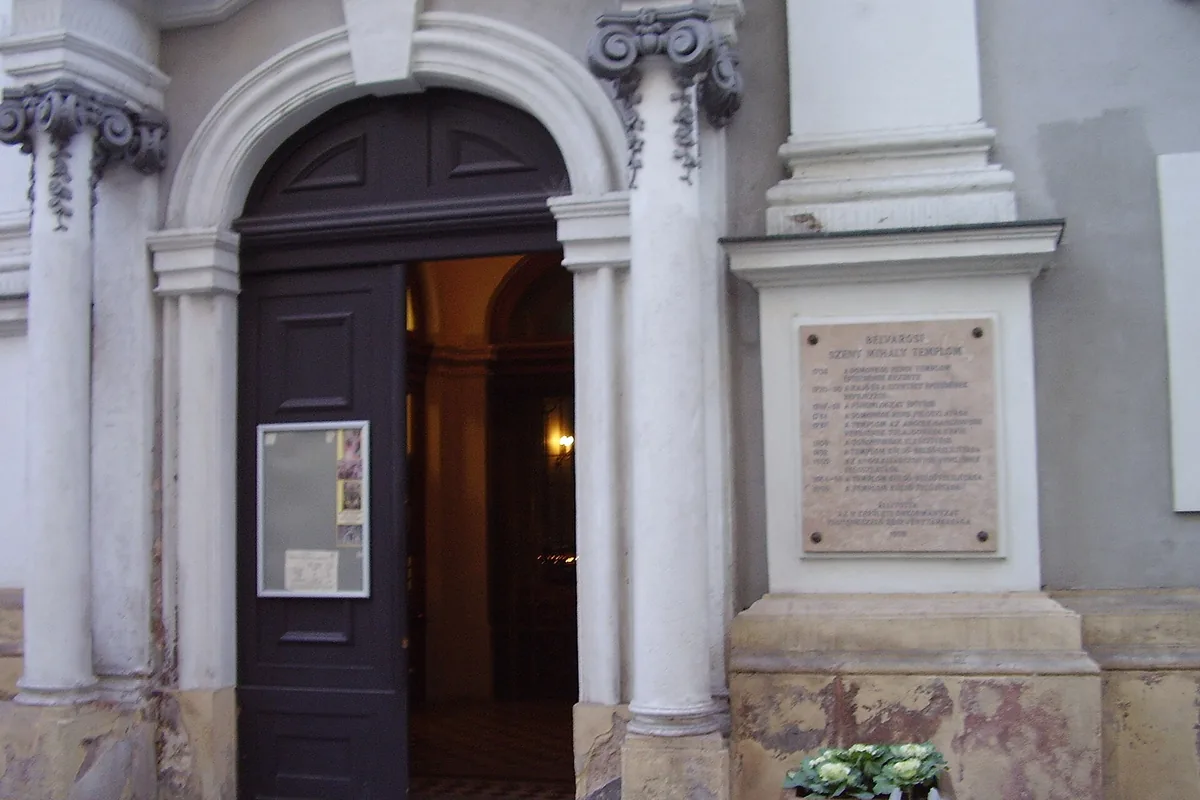
In Hungarian the building is the Belvárosi Szent Mihály-templom, the Inner City Szent Mihály church. The church's own website gives its address as Váci utca 47/b, 1056 Budapest. Hungarian Wikipedia calls it one of the Catholic churches of Budapest's Inner City and notes that it is also known as the church of the English Ladies, after the order of teaching sisters that held it until 1950. The concerts this site covers take place inside.
A Dominican beginning
Hungarian Wikipedia says the Dominicans founded a friary and church in the southern part of Pest around 1230. After the Mongol invasion the church moved to a new site, and in 1308 the national assembly met on the Dominicans' plot and elected Charles Robert king. In 1541 the church came under Ottoman rule and was destroyed, which is why the building seen today dates from a later period of rebuilding.
The Baroque church
After the Ottomans were driven out, the Baroque church seen today was built between 1700 and 1765, says Hungarian Wikipedia. In 1785 and 1786 the Pauline order received the building, because King Joseph II dissolved the Dominicans. In 1787 it passed to the English Ladies, the teaching order, who kept it until the order was dissolved in 1950. That is the period that gave the building the Baroque character visible in the nave, the altars and the ceilings today.
Floods, fire and repairs
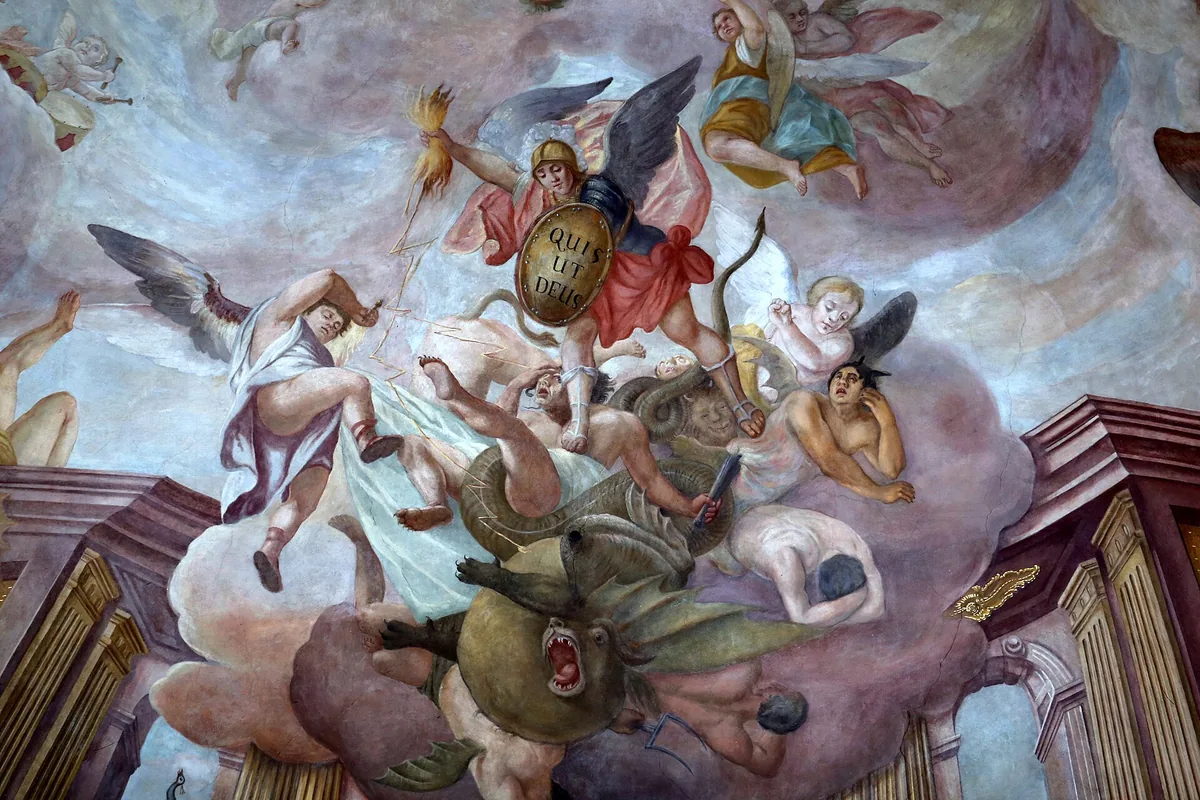
The church has been through hard years. Hungarian Wikipedia records smaller floods in 1799 and 1809 and the great flood of 1838, when the Danube stood two metres deep inside the church. In 1809 the roof and both towers burned. The interior was renovated in 1892 and the exterior in 1964 to 1968, when the ceiling and wall paintings were whitewashed, and again in 1997 and 1998. The sanctuary was restored between 1998 and 2006. Restoration of the nave ceiling paintings by József Aman began in 2012.
A relic in wartime
Hungarian Wikipedia records that after the US Army returned the Holy Right, the relic known in Hungarian as the Szent Jobb, to Hungary on 19 August 1945, it was kept in the Szent Mihály church until the English Ladies were dissolved in 1950. You can listen to Vivaldi here without knowing any of this history, but it explains why the building has been so often repaired.
The organ
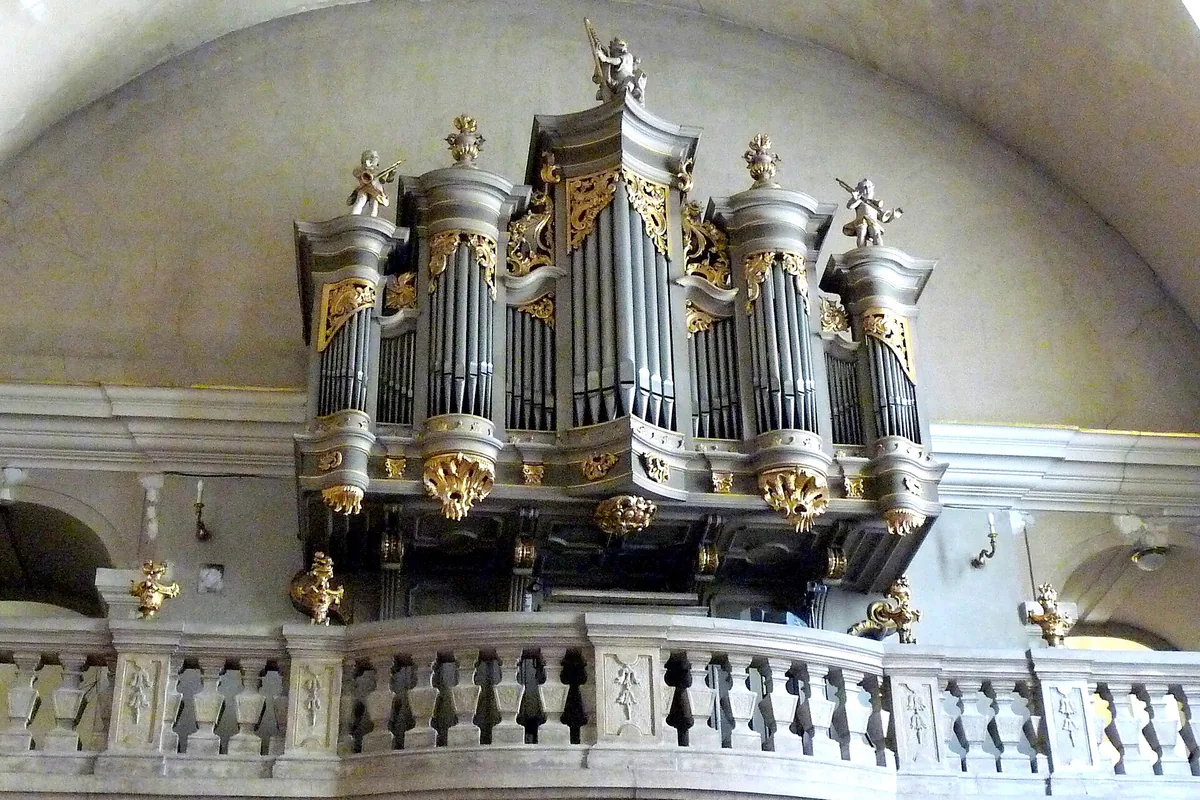
The church's own website describes a Rieger organ made in 1892, with two manuals and 25 stops, whose restoration began in 2007 with support from the National Cultural Fund. Hungarian Wikipedia says the same and names the organ builder Frigyes Paulus as the contractor for the restoration. A visitor choosing among the programmes on the booking page, which include an organ concert, will want to know that the church has an organ of its own.
Read next: Vivaldi, Requiem or organ?
Who runs it today
The church's website presents the Premonstratensian Order as the community serving the church, and its contact page names a church director from that order. The site also has a concerts page that carries a DKN listing, and DKN is the provider named on the booking page. The church hosts, the organiser sells the tickets, and this independent guide does neither.
What to look for inside
Look up first. Hungarian Wikipedia credits the nave ceiling paintings to József Aman, and the photographs show painted architecture and clouds around oval scenes. Look at the high altar, where a painting hangs in a gilded frame under a golden sunburst. Then look back to the organ gallery above the entrance. The 1892 archive photograph on this site shows the same gallery, and the pews beneath it, from a time when the church was already more than a century old.
Frequently asked questions
When was the church built?
Hungarian Wikipedia says the Baroque church seen today was built between 1700 and 1765, on a site the Dominicans held from about 1230.
Is it a working church?
Yes. The church's website presents the Premonstratensian Order as the community serving it.
What is the address?
Váci utca 47/b, 1056 Budapest, according to the church's own website.
Does the church have an organ?
Yes. Its website describes a Rieger organ made in 1892 with two manuals and 25 stops.
Sources